

Most decluttering advice falls into two camps: keep everything or throw everything away. Neither works for real life. You've got sentimental items that matter. Seasonal things you use. Items with genuine potential. So how do you create a space that's actually livable without abandoning your entire history?
The answer isn't radical minimalism or aggressive hoarding. It's about making conscious choices about what deserves space in your home. Some items get displayed or used regularly. Others get stored properly. And yes, some things finally get to leave. The difference is you're deciding based on actual value, not guilt or obligation.
Educational Note: This guide is informational and based on practical experience with home organization. Results vary by individual space, lifestyle, and personal circumstances. These strategies work best when adapted to your specific situation rather than followed as a rigid system.
The Three Categories That Actually Work
Rather than "keep or discard," try organizing into three distinct groups. This gives you permission to value different items differently instead of forcing everything into a binary choice.
Active items are what you use regularly. Everyday clothes, kitchen tools, books you're reading, hobby supplies you actually touch. These get prime real estate — accessible and visible. No point storing something you use twice a week.
Seasonal or occasional items get stored properly. Holiday decorations, winter coats in July, the tent you use once yearly, formal dishes for entertaining. These deserve good storage but don't clutter your main living space. Vacuum-seal bags, labeled boxes in a closet, under-bed storage — it all works if you can actually find it later.
Then there's the sentimental or potential category — and this is where people get stuck. That bread maker you might use someday. Photos from 1995. Your old textbooks. Gifts that don't fit your style. You're not throwing them away, but they're not actively serving you either. These need honest evaluation, but they don't have to go immediately.

Storage That Doesn't Defeat the Purpose
Here's where most people fail: they declutter, then stuff everything into opaque bins and forget it exists. Now you've got hidden clutter instead of visible clutter. That's not better.
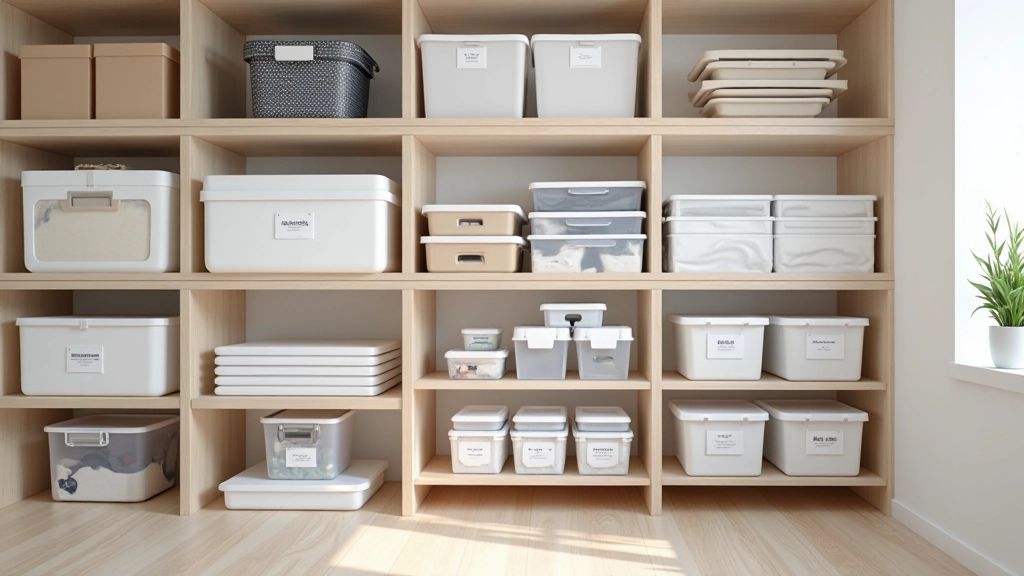
Good storage means you can actually access what you stored. Label everything. Use clear containers when possible so you don't reorder the same item twice. Store seasonal items together by season, not scattered across three closets. Keep a simple inventory list — yeah, it sounds fussy, but knowing you already have holiday lights prevents buying more.
Climate matters too. Don't store photos in the basement if it gets damp. Keep important sentimental items in acid-free boxes. Delicate things need protection, not just compression. Proper storage isn't about perfection; it's about actually being able to use your items when you need them.
Most households need about 20-30% of storage dedicated to seasonal items. That's reasonable. You're not hoarding if you're organizing properly.
The Honest Questions About "Maybe Someday"
Sentimental items and potential items are where decluttering gets emotional. That bread maker cost €80 and you felt guilty not using it. Your grandmother's china is beautiful but not your style. You're saving that fabric "for a project." These things aren't trash, but they're also not serving you.
Ask yourself: Have I used this in the last two years? Do I genuinely enjoy it or feel obligated? If someone gave this to me today, would I accept it? Would I buy it again at its current price?
You don't need to answer yes to all of them. One or two honest yeses means it stays. Zero means it's time to let it go — and that's okay. You're not ungrateful by giving away a gift that doesn't fit your life. You're being realistic.
For the "maybe" category that passes the test, set a deadline. Bread maker gets six months. If it's not used by then, it goes. Project fabric gets one year — if the project hasn't started, donate it to someone who'll actually use it. Permission structures help because they give you a reason to decide without guilt.

When Things Actually Do Leave
You'll still get rid of things. That's not failure. Broken items, duplicates, things that genuinely don't work anymore. The difference is you're doing it intentionally, not under pressure to be minimalist.
Consider options beyond trash. Broken furniture goes to someone who repairs. Outgrown kids' clothes go to friends with younger kids. Duplicate kitchen tools go to someone setting up their first apartment. Books go to libraries or schools. Your old textbooks? Universities often want them for certain subjects.
When something actually leaves your home, you're not losing money you spent. You've already spent it. You're just not storing regret anymore. That bread maker sitting unused costs you closet space and mental energy every time you see it. Letting it go to someone who wants it is actually the valuable outcome.
And yes, sometimes things go to charity or the dump. That's okay. You tried the other options. You're being realistic about what has actual value to someone else.
Building a Home You Actually Enjoy
The real goal isn't a minimalist Instagram aesthetic or maximizing square footage with hidden storage. It's a home where you can breathe, find what you need, and aren't surrounded by items that make you feel guilty or overwhelmed.
That looks different for everyone. Maybe you keep extensive cookware because you genuinely cook. Maybe you have memory boxes of old letters. Maybe you're an artist with supplies everywhere. None of that's wrong if it's intentional.
Start with your active items. Get those organized and accessible. Then handle seasonal storage properly. Finally, make real decisions about the sentimental and potential stuff. Not rushed. Not under pressure. Just honest.
You don't have to donate everything to have a better home. You just have to know why you're keeping what you keep.