
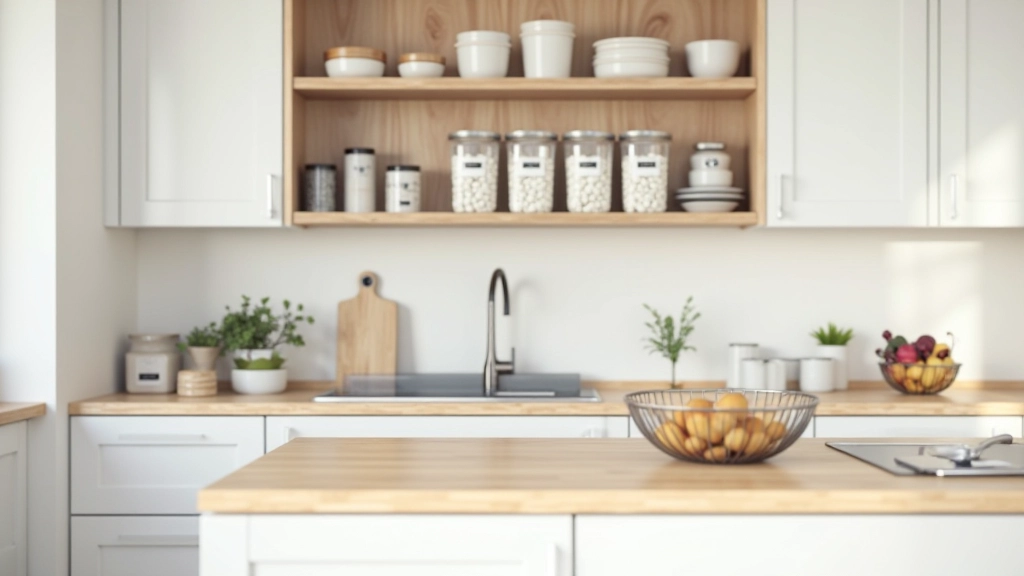
Without walls to separate spaces, you need smart design. Here's how to define kitchen, living, and work zones using furniture and lighting.
Open-plan apartments aren't for everyone, but they're becoming more common in Latvia, especially in Riga's newer developments. The challenge? Everything flows together. Your bedroom's visible from the kitchen. Your work desk sits next to the living room sofa. It's efficient for small spaces, but it takes real planning to make it feel like separate rooms rather than one cluttered space.
Why Zones Matter More Than Walls
The problem with open-plan living is psychological as much as physical. Your brain needs boundaries. When everything blends together, you can't relax in the living area because you see your work desk. You can't cook without feeling watched by someone on the sofa.
Zones solve this. They're invisible walls made from furniture, lighting, rugs, and color. They tell your mind "this is the kitchen space" or "this is where I work." You're not actually separating the room — you're creating distinct areas that function independently.
We've worked with dozens of apartments in Riga where this simple idea transformed the whole living experience. A family went from feeling cramped to feeling like they had separate rooms. A freelancer could finally "leave work" by moving to a different zone. It works.
The Five Tools for Zone Creation
You don't need walls. You need strategy. Here's what actually works:
Furniture Placement
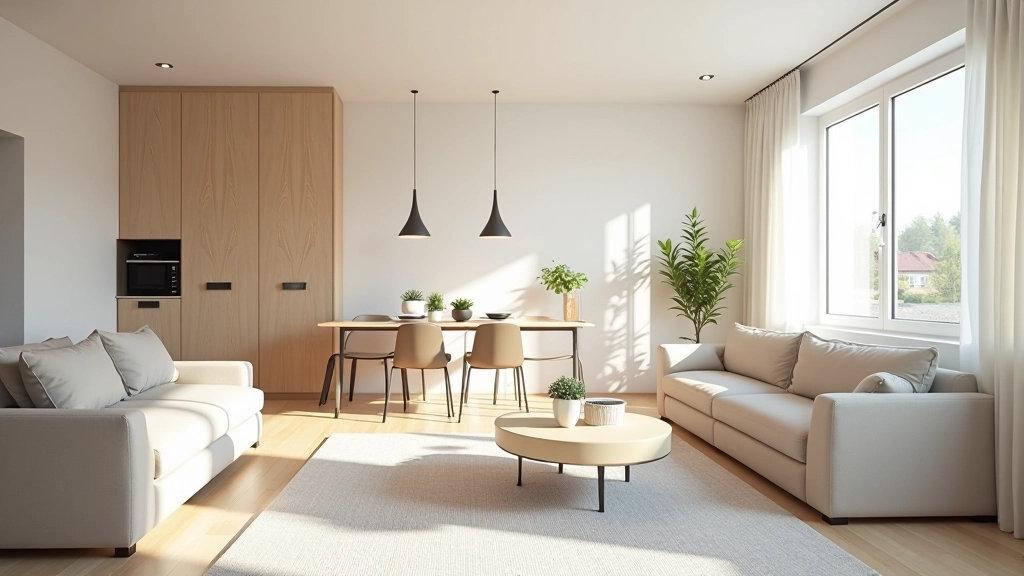
A sofa back facing the kitchen creates a visual barrier. A bookshelf between zones acts like a partial wall. Arrange pieces perpendicular to your main sightline, not parallel. This creates natural boundaries.
Lighting Design
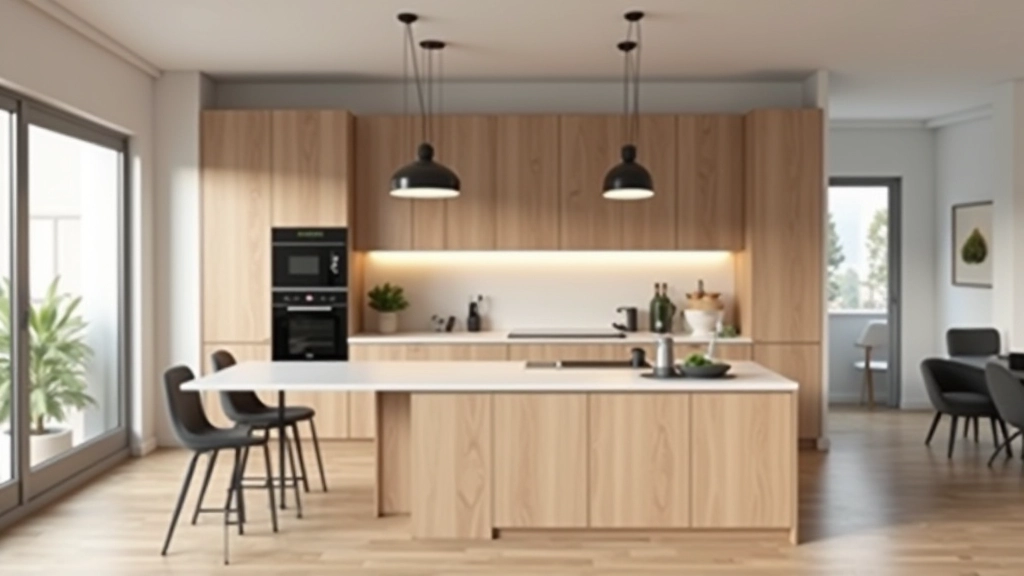
Different lights for different zones. Kitchen gets bright overhead or pendant lights (400-500 lux for cooking). Living room gets softer task lighting (200-300 lux). Bedroom corner gets warm, dimmable lights. Lighting signals function to your brain immediately.
Rugs and Floor Materials
A rug defines a zone faster than anything else. Kitchen has tile or easy-clean flooring. Living area sits on a rug. Bedroom corner gets a different rug. Your feet know you've moved zones before your eyes do.
Important Note
The techniques described here are based on interior design principles and practical experience. Results depend on your specific apartment layout, natural light availability, and personal preferences. Consider consulting with an interior designer for layouts involving structural changes or if you're working with very small spaces (under 35 square meters).
Real Layout: 60 Square Meter Apartment
Let's make this concrete. Imagine a typical Riga studio-style apartment: 60 square meters, one large room, kitchen in one corner, bedroom area undefined.
Kitchen Zone (4 × 2.5m)
Bright overhead lighting (4000K color temperature), tile flooring, kitchen island or counter as boundary.
Living Zone (5 × 4m)
Sofa facing away from kitchen, warm recessed lights (2700K), area rug defining the space.
Bedroom Zone (3.5 × 3.5m)
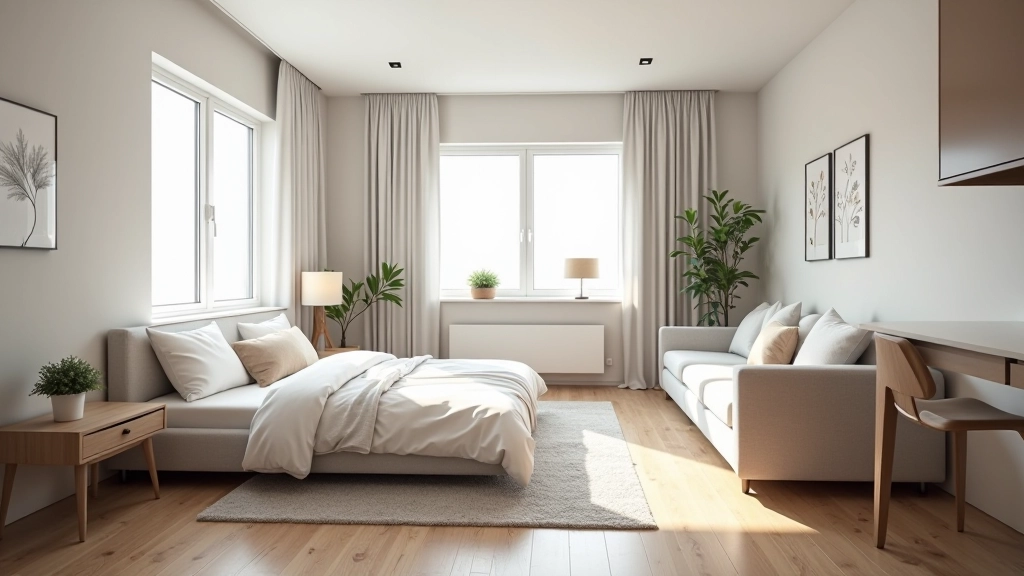
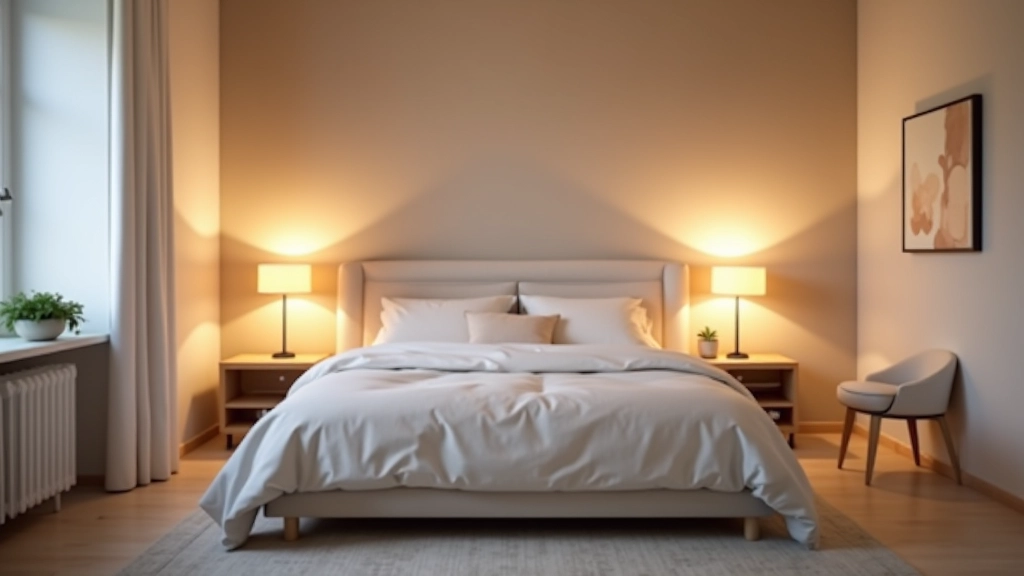
Bed against wall, nightstands as markers, dimmable reading lights, possibly a room divider or curtain.
Color and Material Consistency Within Zones
Don't change everything between zones — that looks chaotic. Instead, use subtle shifts. Kitchen stays cool-toned (whites, grays). Living room introduces warmer neutrals (beiges, soft grays). Bedroom goes slightly warmer still.
Materials matter too. Kitchen has practical surfaces — tile, stainless steel, wood counters. Living room introduces softer textures — upholstered furniture, throw pillows, curtains. Bedroom gets the coziest materials — fabric headboard, soft bedding, warm wood tones.
This creates zones through consistency, not contrast. Each zone feels like itself because everything in it matches. You're not saying "this zone is blue and that zone is red" — you're saying "everything in the kitchen works together, everything in the living area works together."
Making It Work in Your Space
Open-plan living works when you treat it like separate rooms without walls. You're not trying to make everything look unified — you're creating distinct spaces that happen to share the same roof.
Start with what you've got. If you have natural boundaries (a corner, a window wall, a structural pillar), use them. Arrange your largest furniture piece perpendicular to sight lines. Add lighting that matches each zone's function. Use rugs or floor materials to signal transitions.
The goal isn't perfection. It's creating enough visual and functional separation that your brain can shift gears when you move between zones. You're not in "the apartment" anymore — you're in the kitchen, then the living room, then the bedroom. That's when open-plan living actually feels spacious instead of chaotic.