
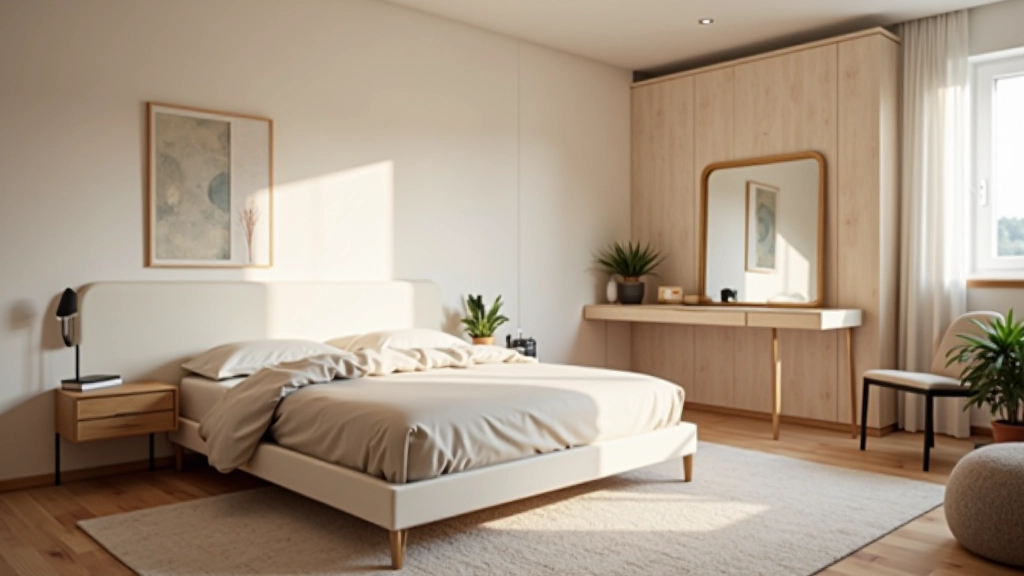
Under 100 square feet doesn't mean cramped or chaotic. We've tested five practical layouts that actually work in real bedrooms. Each one starts with a simple principle: your bed position determines everything else.
The difference between a functional small bedroom and a frustrating one usually comes down to two things — how you place your furniture and whether you're using vertical space. We're not talking about minimalist designs or extreme decluttering. Just smart arrangements you can implement this weekend.
Layout One: Bed Against the Short Wall
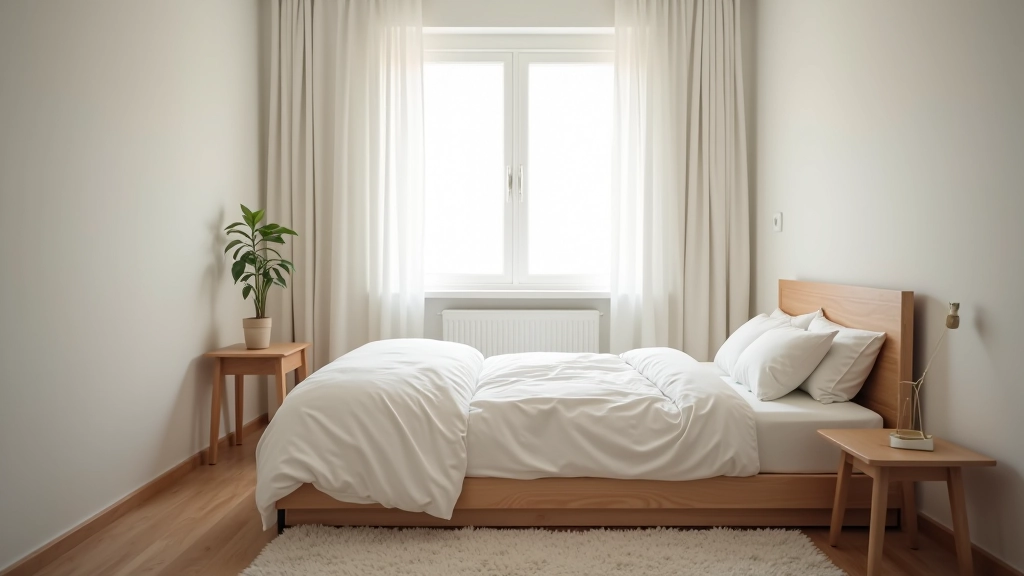
This is the most obvious placement, but it works. Position your bed on the short wall (usually the wall with a window). This immediately opens up the rest of your room. You get clear floor space for a small desk, dresser, or chair on the opposite side.
The key here isn't complicated. Your bed takes up visual real estate, so putting it on the short wall means the long walls stay available for storage. Add a wall-mounted shelf above the bed — you've gained extra storage without losing floor space. This layout works best if your bed is a queen or smaller.
Best for: Rooms 80–100 sq ft with good natural light. Works with one window.
Layout Two: Diagonal Bed in the Corner
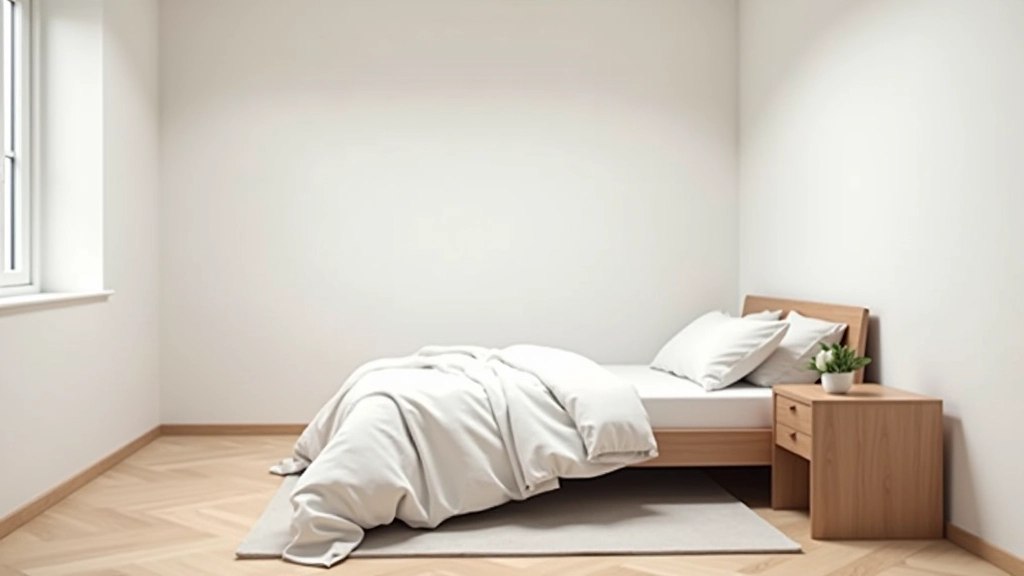
This one feels unconventional, but it's surprisingly effective in rooms under 80 square feet. Position your bed diagonally from corner to corner. Yes, it looks different. And that's exactly why it works — it breaks up the boxy feeling that small rooms get.
You'll need a platform bed or low-profile frame for this to not feel cramped. The diagonal creates visual movement and leaves your perpendicular corners open. Put a small dresser in one corner, a narrow desk in another. The floor feels more spacious because your eye travels diagonally rather than hitting straight walls.
Best for: Square-shaped rooms under 80 sq ft. Requires low-profile furniture.
Note: Room dimensions vary by location and building construction. These layouts assume standard 8-foot ceilings and rectangular or square floor plans. Always measure your specific space before purchasing furniture.
Layout Three: Bed with Built-in Vertical Storage
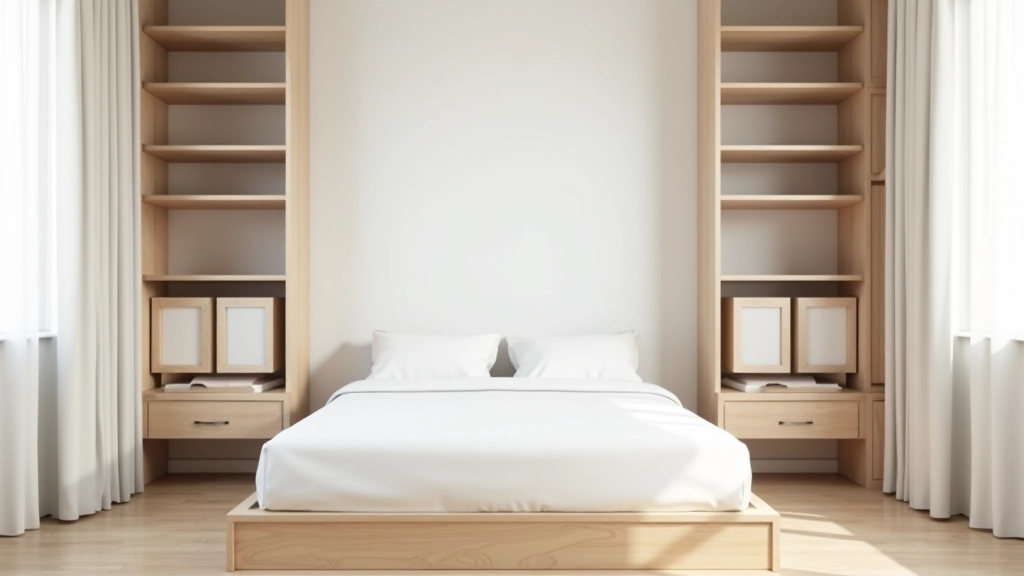
Small bedrooms aren't small if you use your walls properly. This layout pairs a twin or full bed against one wall with tall, narrow shelving on either side. You're creating a "bed alcove" that functions as your room's visual anchor.
Install wall-mounted shelves (or a unit) from floor to ceiling on both sides of the bed. This creates definition and storage without eating into floor space. Your dresser, desk, or seating area can then occupy the open wall. The vertical emphasis makes the room feel taller, which compensates for the small footprint.
We've seen this work beautifully in rooms around 70 square feet. The shelving becomes part of the room's architecture rather than clutter. You're building storage into your layout from the start.
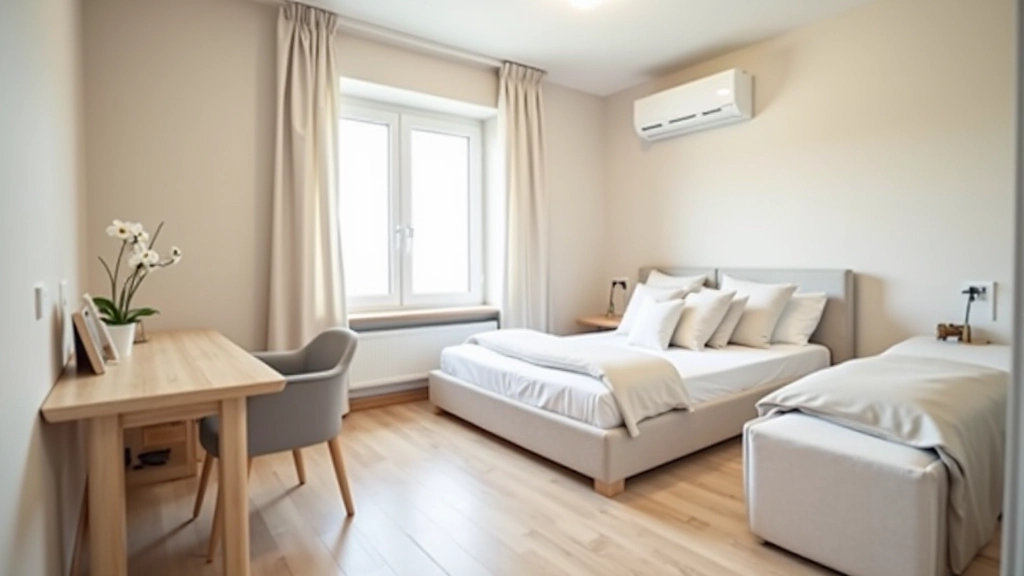
Layout Four: Functional Zones Without Dividing Walls
Your bedroom probably does double duty — sleeping area and workspace. Stop fighting it. Create subtle zones using furniture placement instead of walls. Position your bed on one side, your desk on the other. Use a small bookshelf as a divider if you want psychological separation.
This approach works in rooms 85+ square feet. Your brain needs to feel like you have distinct spaces even if you're in one room. Arrange furniture to suggest boundaries. Your bed faces one direction, your desk faces another. You're creating different "rooms" within one space through furniture orientation alone.
Don't use heavy curtains or room dividers — they make small rooms feel suffocating. Furniture angles and placement do the job better.
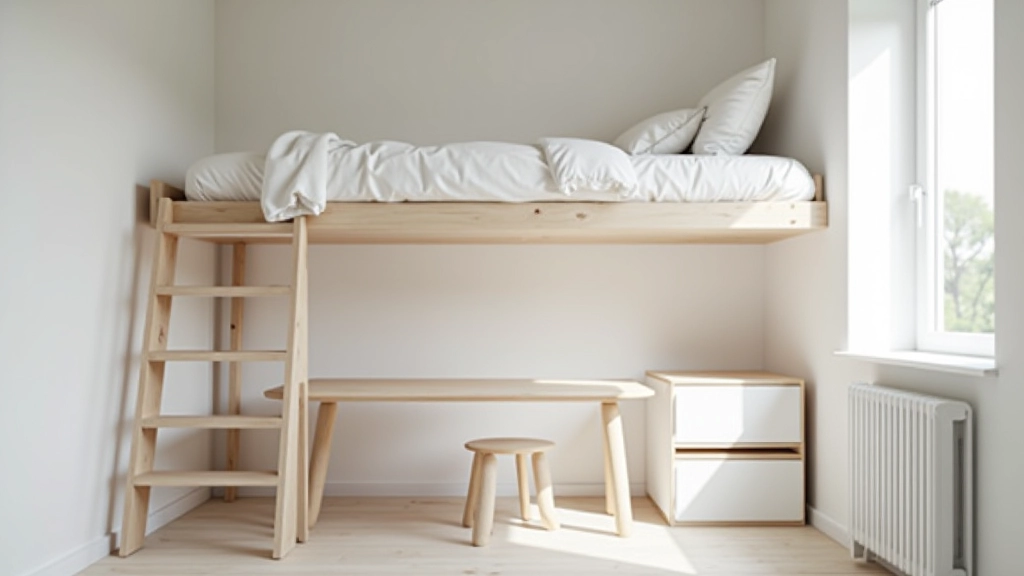
Layout Five: Elevated Bed with Space Underneath
A lofted bed isn't just for dorms anymore. Modern platform beds and loft frames look clean and professional. Your bed rises to 4–5 feet, and suddenly you've got a full work zone or sitting area underneath. You've essentially doubled your usable floor space.
This layout demands good ceiling height (9+ feet is ideal). Under the bed, you can fit a desk, small sofa, or storage cubbies. Your clothes, books, and work materials stay organized without taking up separate floor real estate. The room doesn't feel cramped — it feels efficient.
Best for: Rooms with high ceilings and 70–90 sq ft. Creates the most usable floor space.
Making Your Choice
Pick the layout that matches your room's shape, your ceiling height, and how you actually use the space. If you work from home, you need Layout Four or Five. If you just sleep there, Layouts One or Two work fine. Don't overthink it — measure your space, sketch it on paper (or use a simple floor planning app), and try one arrangement for two weeks before committing to anything permanent.
The goal isn't perfection. It's creating a room where you can move without stubbing your toe and where your stuff has a home. Small bedrooms stop feeling cramped the moment you have a deliberate plan. Start with one of these five layouts. Adjust as needed. You'll be surprised how much difference intentional furniture placement makes.