

Marie Kondo's KonMari method hit different when it arrived in 2014. Suddenly, everyone was talking about folding clothes to spark joy. We're not judging — we actually tried it. For two weeks straight, we followed the method on a 65-square-meter Riga apartment with three closets, a kitchen that's basically a hallway, and the typical Baltic challenge: nowhere to put anything.
The promise was simple. Declutter everything. Keep only what sparks joy. Fold everything vertically. Organize by category, not room. Does it work? Yes and no. It works brilliantly for some things. Other parts? Well, they didn't survive contact with real life.
What Actually Happened
Day one was chaos. We pulled everything from the closet — and we mean everything. Sweaters, scarves, work shirts, that dress we haven't worn since 2019. The method says you need to see it all at once to understand what you own. It's a psychological thing. You can't make decisions about what sparks joy if you're picking from a drawer that's too cramped to see what's actually in there.
Here's what surprised us: we owned way more duplicate items than expected. Five black blazers. Three pairs of almost-identical jeans. Once you see it laid out on the floor, it's impossible to pretend you don't have choices. The KonMari moment hits different when you're holding four nearly identical cardigans and asking yourself honestly which one you actually wear.
The joy test sounds silly until you try it. Holding something in your hands and asking "Does this spark joy?" forces a different conversation than "Do I use this?" We kept items we didn't wear regularly because they genuinely made us happy. That vintage leather jacket from your grandmother? It stayed. The uncomfortable shoes that looked good three years ago? They didn't.

The Vertical Folding Thing
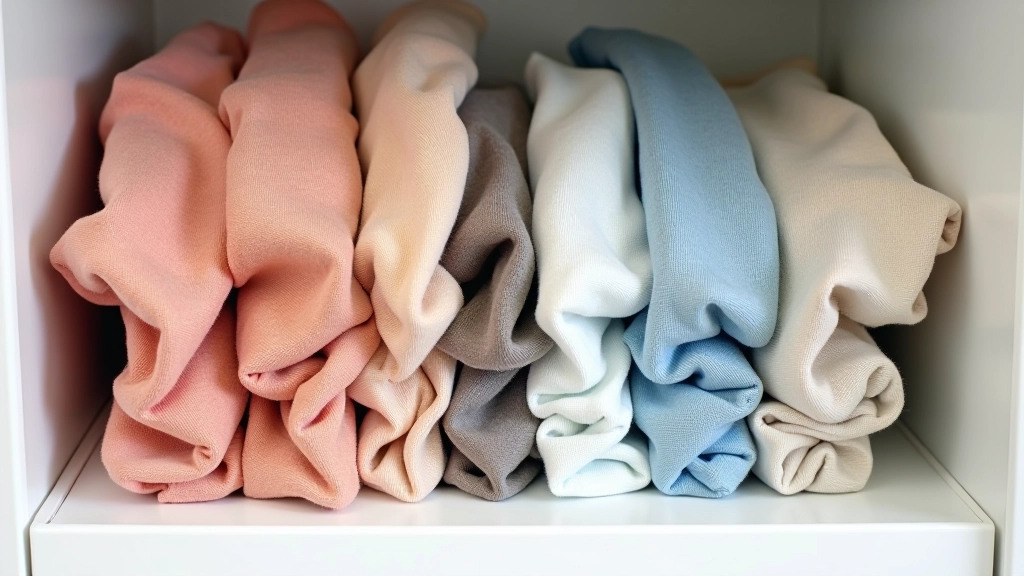
This is where we got stuck. The KonMari method insists on vertical folding — storing clothes standing up like files instead of stacked. The idea is you can see everything at once and nothing gets crushed under weight. Theoretically perfect. Practically? It takes time to learn, and not everything works this way.
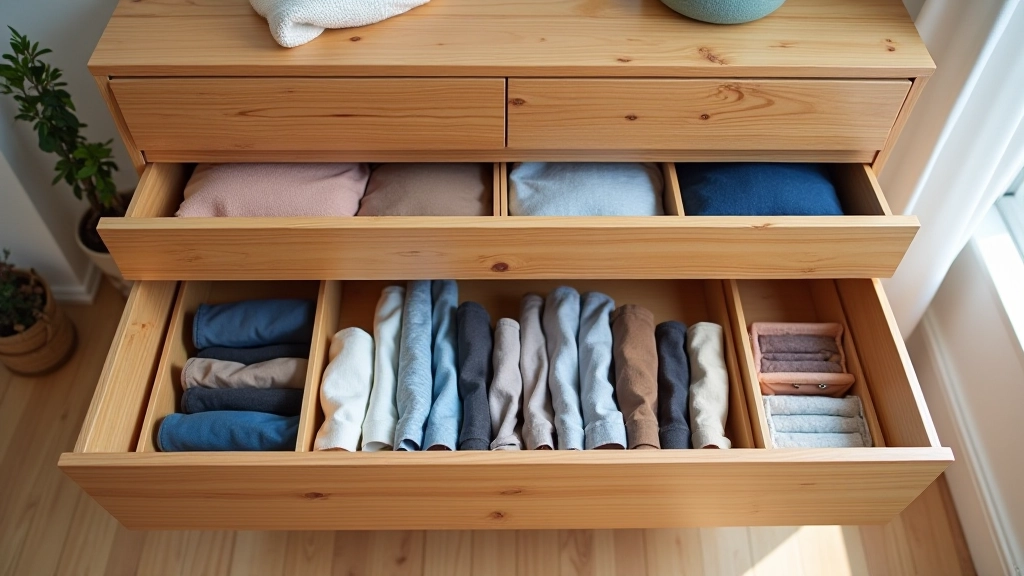
T-shirts and sweaters? Absolutely. They fold into neat rectangles and stand beautifully. You open the drawer and see all five colors instead of grabbing the top one and not knowing what's underneath. That part is genuinely useful. Jeans worked okay. But underwear, socks, and workout gear? We tried it for a week. By day three we were shoving things back into a drawer because the method felt like overkill for items you don't really "choose" every morning.
What we kept: vertical folding for outer layers and items you actually decide about daily. What we ditched: vertical folding for everything else. You don't need to fold your gym socks like museum pieces.
The Category-First System
KonMari says organize by category, not by location. All your shirts go together. All your pants go together. All your accessories live in one place. Instead of "bedroom closet," "kitchen drawer," and "hallway shelf," you're thinking "tops," "bottoms," "outerwear," "accessories."
This actually works. Once you see all your white t-shirts together, you realize four of them are nearly identical and two are wearing thin. You can't hide things in different locations anymore. Your inventory becomes obvious.
The challenge: your apartment layout might not cooperate. We have a small hallway closet, a bedroom closet, and two dresser drawers. Gathering all "tops" in one location meant sacrificing drawer space and making it inconvenient to get dressed. We compromised. Seasonal items got consolidated (winter coats in one closet, summer dresses in another), but daily clothes stayed split between the bedroom and dresser for practicality.
A note on this article: The KonMari Method is one approach to home organization. This review is based on our personal testing and observation. Everyone's living situation, preferences, and needs are different. If the method works for you, great. If parts of it work and you adapt others — that's also completely valid. Organization should serve your life, not the other way around.
What Actually Stuck
Two weeks in, we didn't maintain 100% of the KonMari system. But we didn't go back to the chaos either. Here's what remained:
The joy filter
Before buying something new, we ask "Does this spark joy?" It sounds fluffy, but it cuts through the noise. You're not asking "Is this practical?" or "Will I use it?" You're asking a simpler question: does this make me happy? It's changed what we buy.
Visible storage
We ditched opaque boxes and kept clear ones. Seeing what you own without opening drawers means you're more likely to actually use things. A sweater you can see is a sweater you'll wear. One that's buried under three others? It's forgotten.
The purge mindset
The initial complete purge was intense but effective. We didn't do it monthly. But we learned that going all-in once is more effective than tiny ongoing decluttering. We revisited it after six months and it took one afternoon instead of two weeks.

The Real Answer
Does the KonMari Method actually work? Yes, but not exactly as marketed. The entire system is effective if you follow it completely. But most people don't need the entire system. You probably need 60% of it — the initial purge, the joy filter, and the idea of organizing by category rather than by location. That part transforms how your space functions.
The vertical folding, the specific ritual of how you handle items, the ultra-precise organizational rules? Those are bonus features. Some people love them and stick with them forever. Others (like us) keep the philosophy and adapt the mechanics to fit real life.
If your closet is chaos and you don't know what you own, the KonMari method will fix that. You'll spend a weekend doing the work, and your space will function better. Will you maintain it exactly as written six months later? Probably not. Will you maintain the core idea — keeping only what brings you joy and organizing so you can see what you have? That part actually sticks.